The Craft Beer Beginner's Checklist: 12 Styles to Try Before You Call Yourself a Beer Geek
A practical checklist of 12 essential beer styles, with tasting cues and classic examples, plus simple...

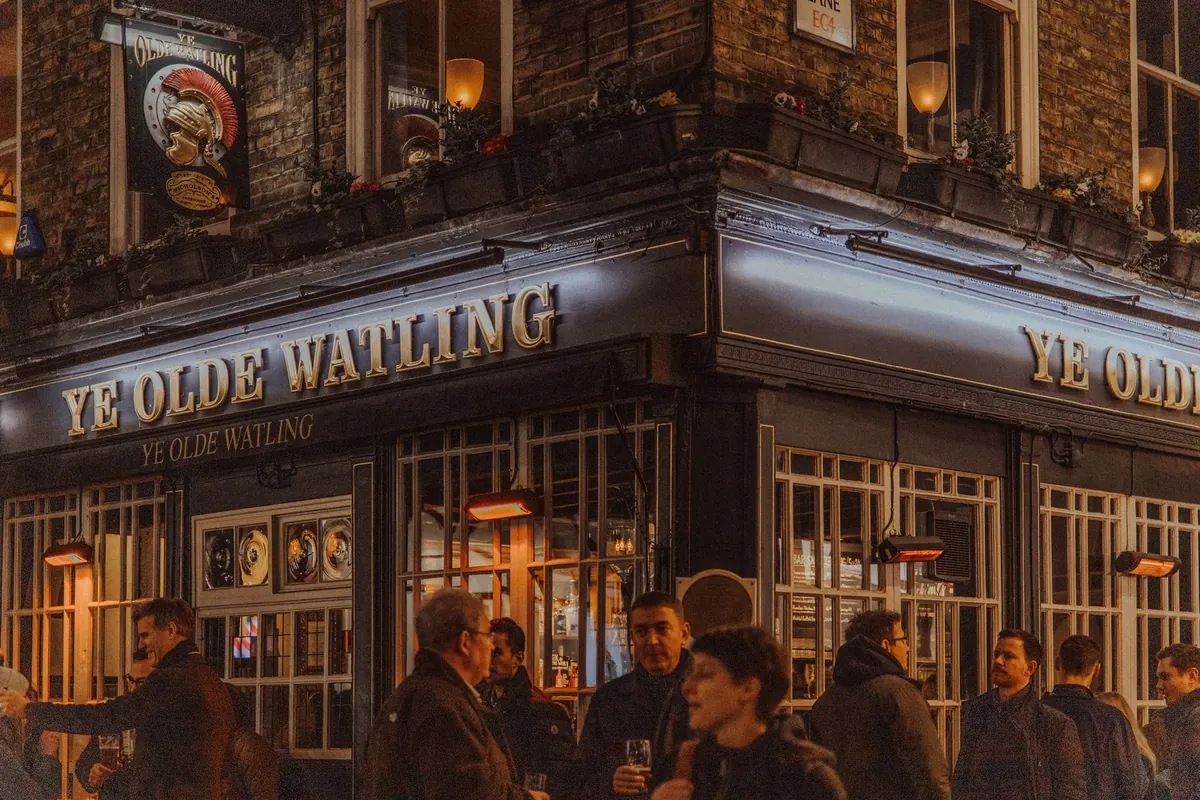
A British pub is not simply a bar with a different name on the door. It runs on its own quiet physics. Nobody greets you, nobody seats you, and there is rarely a queue rope or a host with a clipboard. You are expected to work out what happens next by watching everyone else.
That works fine once you know the pattern. The etiquette is real, it is just unwritten, and it is not complicated. Learn six or seven small habits and a busy Friday-night pub becomes the most comfortable room in Britain.
Everything starts at the bar. Walk up, catch the eye of whoever is serving, and wait to be acknowledged. There is no formal line, but there is an order, and bar staff keep a mental note of who arrived when. A nod is enough. Waving a tenner, clicking your fingers, or leaning across the pumps to shout your order will put you at the back of that mental list.
Know roughly what you want before you get there. If you are unsure, step to one side of the pumps and read the labels or the little tasting notes clipped to the hand pulls. If you still cannot decide, ask for a taster. Many pubs, particularly those with a good cask ale range, will pour you a mouthful of one or two beers to try. Two is polite. Working your way through the whole board is not.
Order the entire round in one go. "Three pints of the Landlord, a half of the stout and a lime and soda, please" is a perfectly normal sentence. Pay immediately rather than wandering off to find your friends, and have your card or cash ready while the drinks are being poured.
If the bar is three deep, be patient and do not push between people. If someone is clearly mid-order, let them finish. When your drinks arrive, step away from the bar to put your change in your wallet. Standing there sorting coins while others wait to order is the single most common rookie mistake.
British beer comes in two broad styles behind the bar. Cask ale is drawn by hand pump, served cool rather than cold, and has far less fizz. Keg beer is chilled and carbonated, and includes most lagers, stouts and modern IPAs. Neither is better; they are just different.
Name the beer rather than asking for "a beer". "A pint of the bitter, please" works if there is only one bitter on, but with a dozen taps in front of you it helps to be specific. Halves are a British institution and ideal for trying something new without committing to a full pint.
If you are not drinking alcohol, ask for whatever you like. Lime and soda, a soft drink, or a low-alcohol beer are all entirely normal orders and nobody will comment. You will pay for them, but you will not be treated differently.
Buying in rounds is the social glue of the pub. One person gets a round for the group, then someone else does, and over an evening it roughly balances out. You are not obliged to join in, but if you accept a drink from someone's round, you are expected to take your turn.
A few practical rules make it work:
Rounds work best with four to six people. With a group of twelve, the round becomes a job.
You do not tip at the bar in Britain the way you would in an American bar. Staff are paid wages, not expected to live on gratuities. Taking your change is completely acceptable and no one will think less of you.
That said, there are three easy ways to show appreciation. First, "and one for yourself" when you pay for a round. It is the traditional gesture, and staff will either take the price of a drink as cash or ring it through. Only say it if you mean it. Second, leave your loose change on the bar or drop it in the tip jar. Third, tip properly when you are being served at a table. If you eat a meal in a pub and the service was good, rounding up or leaving about a tenth is the usual benchmark. Check the bill first, because some places add a discretionary service charge. Card machines often offer a tip prompt, and there is no shame in pressing no.
Most pub etiquette comes down to noticing other people. A short list of things that mark you out as someone who knows what they are doing:
A bell rings, or a voice calls out "last orders, please." That is your cue to buy one final round, not to start a long conversation about what you might want. Shortly afterwards comes the call of "time," and the pub enters drinking-up time: a short window to finish what is in front of you. It is not extra serving time. Do not ask for another drink, and do not order a round for people who have already gone home.
When you finish, hand your glass back to the bar if you are near it, say goodnight to whoever served you, and leave without a scene. If you want to carry on talking, take it outside and be mindful of neighbours and any local rules about drinking on the pavement.
Every pub is slightly different, and the staff will always rather you asked than guessed. Get these basics right, though, and by your second visit you will be treated like someone who belongs there.
A practical checklist of 12 essential beer styles, with tasting cues and classic examples, plus simple...
Five non-alcoholic beers ranked on flavor, body and sessionability, plus serving tips to get the most out...
Seven affordable, food-friendly lagers built for hot afternoons, plus pairing notes and serving tips so...