The Craft Beer Beginner's Checklist: 12 Styles to Try Before You Call Yourself a Beer Geek
A practical checklist of 12 essential beer styles, with tasting cues and classic examples, plus simple...

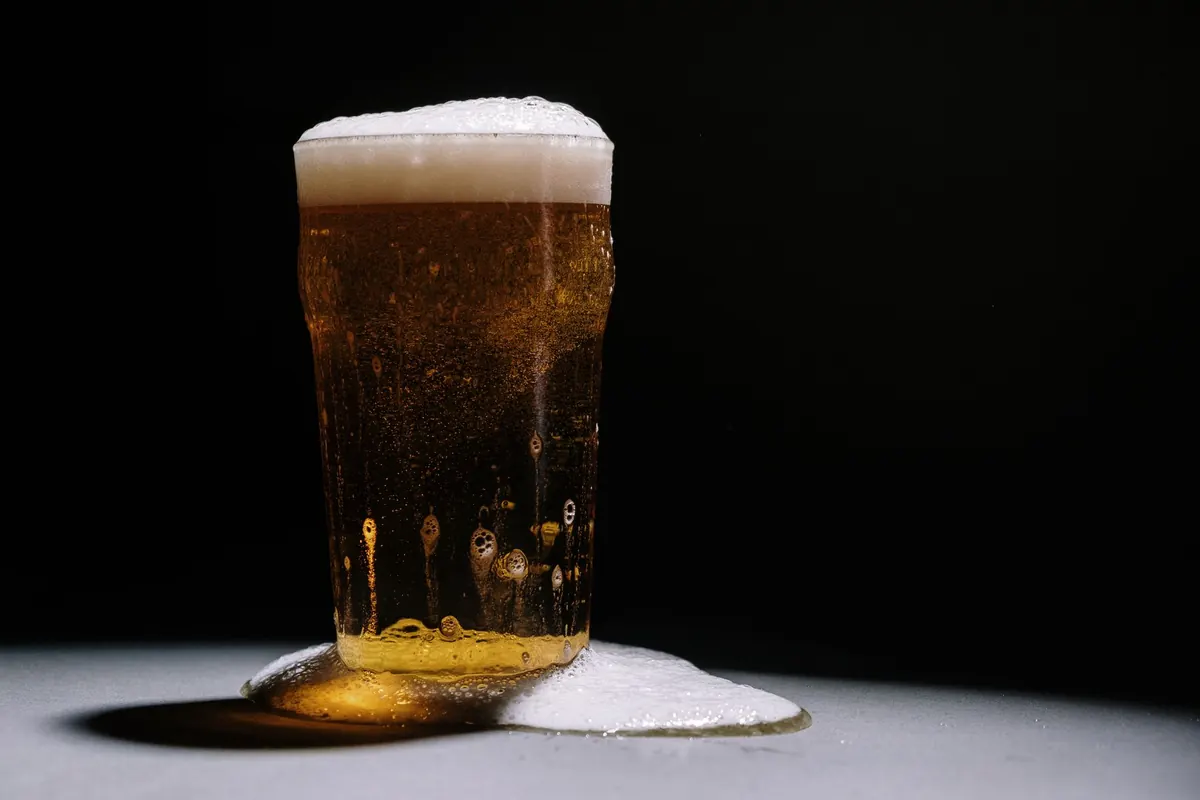
Somebody at every cookout gets stuck behind the grill with a spatula in one hand and a drink in the other, and that drink has about four minutes before it turns warm. This is not the moment for a barrel-aged stout or a hop bomb that tastes like a citrus peel argument. You want a lager: cold, clean, cheap enough to hand out without doing mental math, and sturdy enough to sit next to a plate of brats and potato salad without getting lost.
The seven below fit that brief. In most American markets they land under ten dollars a six-pack, and often well under. Prices swing by state, store, and package size, so treat the ten-dollar line as a bracket rather than a promise.
There are hundreds of lagers on a decent beer shelf, and most of them are fine. The ones that make a cookout better tend to share a handful of traits.
One more rule that matters more than any of the above: freshness. Lager is subtle by design, and subtle beers show their age fast. Look for a printed date on the carton — usually a "best by" or a coded date on the shoulder of the can. If a case has been sitting in the sun in a window display, leave it there and drive to a busier store.
Mexican-style lagers have been the unofficial beer of the American cookout for decades, and the reason is simple: they are light-bodied, faintly sweet from corn, and finish dry. They handle chili, lime, smoke, and char without complaining.
This is the fullest of the three, with a little bread crust and honey up front and a firm, slightly herbal bitterness at the end. It holds its own against a heavily seasoned plate, which is exactly why it works with carne asada, chorizo, and anything hitting the grill with a chili rub. Serve it colder than you think you should.
Leaner and snappier than Modelo, with a sharper hop bite and a finish that stops clean. The lime-and-salt ritual on the rim is optional but not wrong. Push it toward shrimp skewers, spicy sausage, or buffalo wings — anything with heat that needs a cold reset. It tends to come in cans, which is a plus for a cooler full of ice.
A touch rounder and maltier, with a soft, slightly grassy middle. It is the one to reach for when the menu leans toward fish tacos, grilled snapper, or a platter of charred vegetables and lime. It is also the most forgiving of the three if you end up drinking it a little warmer than planned.
There is a reason these have survived every beer trend of the last forty years. They are cheap, they are everywhere, and at forty degrees they taste like a summer afternoon should.
Light, faintly sweet, and aggressively carbonated — the slogan about champagne is marketing, but the fizz is real, and that fizz is what scrubs smoke and fat off your tongue between bites of burger. One practical note: buy it in cans if you can. Clear glass lets light in, and light turns beer skunky in a hurry.
A Minnesota-born lager that is common across the Upper Midwest and increasingly easy to find elsewhere. It is crisp, plain, and almost absurdly inexpensive, which makes it the right call when twelve people are coming over and you do not want to think about it. Good with hot dogs, decent with brats, fine with everything else.
Every list of easy-drinking lagers needs one beer with a little color and backbone, and this is it. Brewed in Pottsville, Pennsylvania since the 1820s, it brings a light caramel malt note and a toasty middle while still finishing clean. Availability is regional — strong along the East Coast and spreading into parts of the South and Midwest — so if you live outside its footprint, substitute a local amber lager rather than chasing it.
Pair it with smoked sausage, ribs, or a burger with sharp cheddar. It is the one beer on this list that improves when the food gets a little heavier.
A Barcelona lager with a dry, crackery malt base and a light herbal hop finish that tastes like it was designed for a hot pavement. It is clean without being watery, and it does something magical with grilled shellfish, blistered peppers, and anything tomato-heavy. If your store does not carry it, Peroni or Birra Moretti will do the same job in the same bracket.
If you are buying for a mixed group, pick two: one Mexican lager and one American classic. They cover nearly every plate you can put on a picnic table, and nobody has to choose between "the good beer" and "the other good beer."
Cold beer is mostly logistics. Fill the cooler with ice first, then add a little water — the slurry chills cans far faster than ice alone, and a handful of salt will speed it up further. Keep the cooler in the shade and out of the sun, and top it off with ice as the afternoon goes.
Skip the frosted glass. A frozen mug holds whatever was in the freezer before it, kills the carbonation, and leaves you with a flat, aromatic mess. A clean, dry glass is better: tilt it, pour down the side, then straighten up at the end to leave a finger of foam. That head is where the aroma lives.
Pace yourself, too. Heat and alcohol together hit harder than either one alone, so keep water in the rotation and eat something. If you are on medication or managing a health condition, check with a doctor about how drinking fits into a hot day — that conversation is worth having before the party, not during it.
Buy fresh, buy cans where you can, and buy one more six-pack than you think you need — a warm guest always shows up last. Chill everything for at least three hours before anyone arrives, load the grill, and pour the first one for whoever is holding the tongs. They have earned it.
Photo: cottonbro studio / Pexels
A practical checklist of 12 essential beer styles, with tasting cues and classic examples, plus simple...
Five non-alcoholic beers ranked on flavor, body and sessionability, plus serving tips to get the most out...
A look at the summer's best beer festivals and taproom events, the pours worth seeking out, and how to...